
I read Raybearer, the first book of this duology over the summer and immediately preordered the sequel which arrived a few weeks later on my e-reader. In the afterward Ifueko notes that she spent twelve years creating the first book and nine months, as the pandemic was beginning, on the second. It came in such a rush that she says that she didn’t recall writing swaths of it. With a score of great characters ready to take on the task described at the end of Raybearer, she knew where it was going, I think.
There’s a lot to be said for this work and its intricate world. The blends of magic and mythology and world building are effective (and mind bending, sometimes). There’s a lot in the first book that grounds you in the world. Pretty early on she explains all the kingdoms that make up the empire and the very interesting ways in which power is passed between generations. We then meet the Abiko, demons who, under treaty, take hundreds of children each year into the underworld as the price of not overrunning the empire. The trick is that some early emperor agreed that only children of one kingdom, Songland, would receive the mark indicating they were to go into the breach between the worlds.
I don’t want to give away any of the key plot points. Our narrator, Tarisai, is set up by her mother in the first book to join the prince’s council to undermine the empire. She’s able to subvert her mother’s will but finds that she’s the only one who wants to change the way the redemptors are chosen (from only one kingdom), and later who wants to change the way the empire as a whole is run. No one else seems to find the traditions of court life so repugnant that they’d even examine how to change them.
Ifueko makes Tarisai’s struggles and emotions real, and we feel a three-dimensional character experiencing them. And she’s created a hero who looks like the people fighting today’s battles against establishment oppression. The fantasy world’s elites bear strong resemblances to those of our world.
If there’s a downside in the story, and I’m not sure this isn’t just the nature of such heroes – the ones who take on the big tasks that no one else can do (or, in the words of Norton Juster, will do), she doesn’t tell anyone of the one thing that’s driving her to distraction. The nature of the council she sits on is that the members have psychic bonds with one another, if they open themselves to the connection. So Tarisai’s reticence to share her experience moves the plot along, but it turns the conflict into Tarisai versus herself, rather than against external forces.
This is a trope of this kind of fiction, I think. In a world where the hero’s bond is a major plot point, and her establishment of a greater number of such connections is one of the drivers of the second book, her refusal to engage feels false. Not false, but an easy way out of creating a way through in which the character relies on the thing that the story hangs from as a whole. On the other hand, she’s the one with the insurmountable goal that almost no one else will take on.
On their own merits, Raybearer and Redemptor succeed admirably. My quibble doesn’t obviate my joy in Tarisai’s various successes, and in the beauty and terror of the worlds Ifueko has opened.
Learn more here: https://www.jordanifueko.com/books (and dig how gorgeous those covers are!)
 I especially liked how this book succeeds in making both Bex and Ketty more sympathetic characters than they were before. Bex had become less likable the more she resisted her role in the bigger conflict at play. Ketty, on the other hand, elicits more sympathy from us the more she learns about the nature of the forces for whom she’s working. This is an especially difficult trick for Churcher to have pulled off – the sheer sadism of some of Ketty’s behavior makes her about as likable as a Bond villain. (She pays a pretty stiff price for her redemption in a sequence that’s oddly, and appropriately, parenthetical in her journey.)
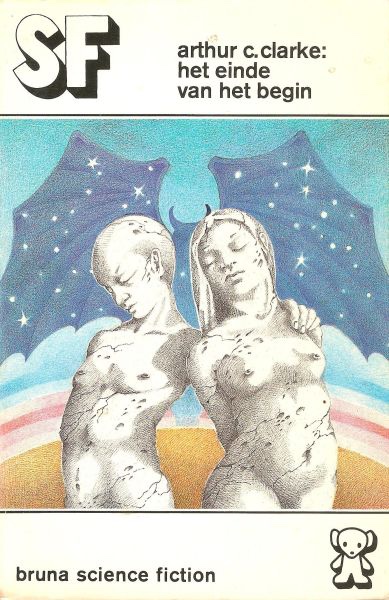 The failures of the book also include an awful lot of exposition used to get across the science necessary to the plot, but these are overshadowed by the poignance that interweaves the lives of these characters. Kerallen tells us that his race has overseen the apotheosis of several other races at the behest of what he calls the Overmind, but that the Overlords will themselves never achieve the same. George experiences a double loss, that of his children to the the change that overcomes the last generation of humans and that of the possibilities with his own wife.
 Joe Jots